Industrial maintenance contractors play a vital role in keeping businesses running smoothly across various sectors, including energy production. From nuclear power plants in Maryland to breeder reactors around the world, these skilled professionals ensure that complex machinery operates at peak performance. Their expertise extends beyond traditional energy sources, encompassing emerging technologies and sustainable practices.
In this article, we’ll explore the essential roles of industrial maintenance contractors and how they contribute to the efficiency, safety, and longevity of industrial operations. Keep reading to discover the critical functions these experts perform and why they’re indispensable in today’s fast-paced industrial landscape.
Bullet Topics
- Regular equipment inspections prevent minor issues from becoming major breakdowns
- Preventive maintenance strategies extend machinery lifespan and minimize downtime
- Safety audits and risk assessments are crucial for maintaining a secure work environment
- Upgrading systems and equipment boosts efficiency and productivity in industrial operations
- Training staff on proper equipment use and maintenance improves safety and operational efficiency
Maintaining Equipment for Optimal Performance
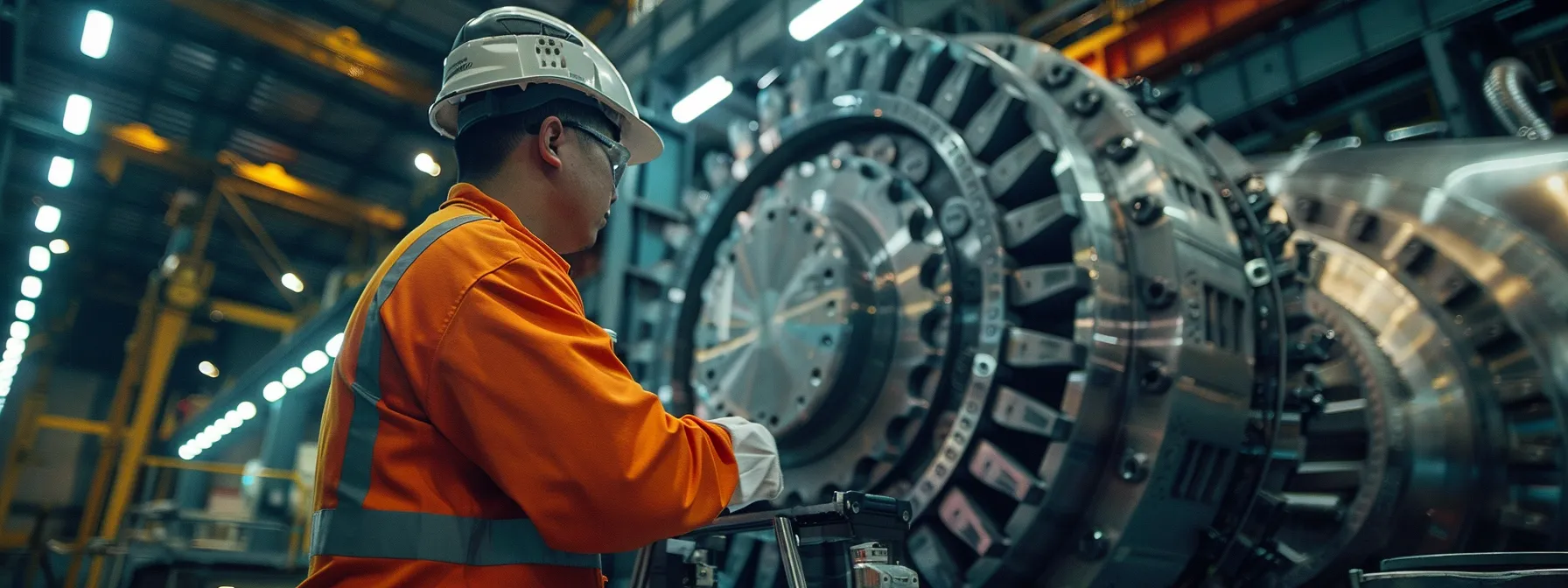
You’ll find that keeping your industrial equipment in top shape is crucial for smooth operations. By focusing on maintaining equipment for optimal performance, you can avoid costly breakdowns and extend the lifespan of your machinery. This approach encompasses various aspects, from electrical systems to metal components, and requires staying up-to-date with the latest technology.
Regular inspections and preventive maintenance strategies are key to identifying potential issues early and ensuring the health of your equipment. Don’t forget to keep your maintenance contractor’s contact information handy for quick assistance when needed.
Regular Inspections to Identify Issues Early
You’ll want to conduct regular inspections of your industrial equipment to catch potential problems before they escalate. This includes checking for signs of wear and tear on engines, ensuring proper functioning of electrical systems, and monitoring for any unusual sounds or vibrations. By staying vigilant, you can prevent minor issues from turning into major breakdowns that could halt production.
When inspecting coal-fired power plants, pay close attention to the boilers and turbines that generate electricity. Look for any buildup of ash or corrosion that could impact efficiency. In nuclear power plants, safety inspections are paramount, focusing on reactor components and containment systems to prevent radioactive contamination.
Remember to document your findings during each inspection. This helps you track equipment performance over time and identify recurring issues. By maintaining detailed records, you’ll be better equipped to make informed decisions about repairs, replacements, or upgrades to keep your industrial operations running smoothly.
Implementing Preventive Maintenance Strategies
You’ll find that implementing preventive maintenance strategies is crucial for keeping your industrial equipment running smoothly. By scheduling regular maintenance tasks, you can prevent unexpected breakdowns and extend the lifespan of your machinery. This approach is particularly important for complex systems like turbines, which require specialized care to maintain optimal performance.
In the United Kingdom, industrial engineers often develop comprehensive preventive maintenance plans tailored to specific equipment needs. These plans typically include routine inspections, cleaning, lubrication, and component replacements based on manufacturer recommendations and usage patterns. By following these strategies, you can minimize downtime and maximize productivity in your facility.
Whether you’re managing a plant in Alberta or elsewhere, partnering with experienced maintenance contractors can help you implement effective preventive maintenance strategies. These professionals bring specialized knowledge and tools to the table, ensuring that your equipment receives the care it needs to operate at peak efficiency. Here’s a breakdown of common preventive maintenance tasks:
| Maintenance Task | Frequency | Benefits |
|---|---|---|
| Visual Inspections | Daily/Weekly | Early problem detection |
| Lubrication | Monthly | Reduced wear and tear |
| Component Replacement | As per schedule | Prevents unexpected failures |
| Software Updates | Quarterly | Improved performance and security |
Ensuring Workplace Safety and Compliance
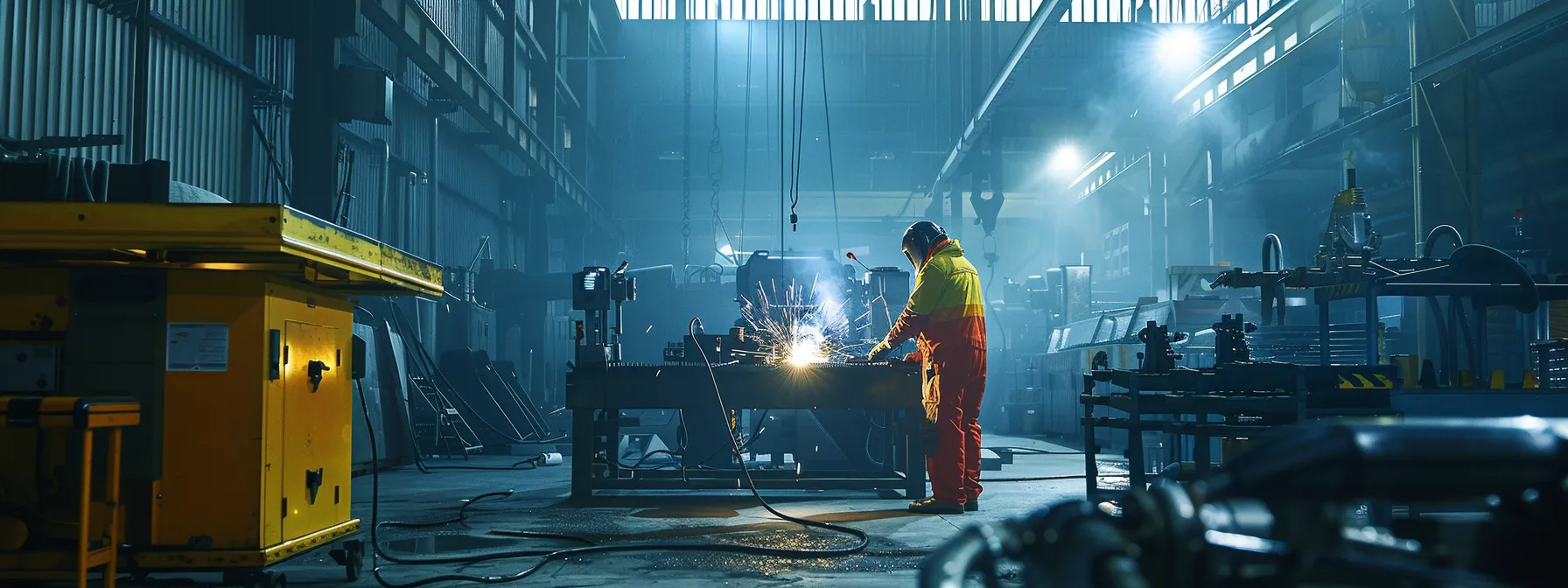
You’ll find that ensuring workplace safety and compliance is a critical aspect of industrial maintenance. As you manage manufacturing operations, you must prioritize safety measures, especially in areas involving welding and structural steel work. By partnering with experienced maintenance contractors, you can effectively navigate complex regulatory standards and implement robust safety protocols.
Regular safety audits and risk assessments are essential tools for identifying potential hazards and maintaining a secure work environment. Remember to keep your contractor’s contact information readily available to address any safety concerns promptly and maintain compliance with industry regulations.
Adhering to Regulatory Standards and Guidelines
You’ll need to stay on top of regulatory standards and guidelines to ensure your industrial operations remain compliant. This includes adhering to plumbing codes, safety regulations for light rail transit systems, and inspection requirements for various equipment types. By keeping up with these standards, you’ll protect your workers and avoid costly penalties.
Regular inspections are crucial for maintaining compliance. You should schedule routine checks of pressure vessels, fossil fuel storage tanks, and other critical components. These inspections help you identify potential issues before they become serious problems and demonstrate your commitment to safety and regulatory compliance.
Working with experienced maintenance contractors can help you navigate complex regulatory landscapes. These professionals stay up-to-date with the latest guidelines and can provide valuable insights on how to implement them effectively in your facility. Here’s a breakdown of key regulatory areas to focus on:
| Regulatory Area | Key Focus Points | Inspection Frequency |
|---|---|---|
| Plumbing Systems | Code compliance, leak prevention | Annually |
| Light Rail Transit | Safety protocols, track maintenance | Quarterly |
| Pressure Vessels | Structural integrity, safety valves | Bi-annually |
| Fossil Fuel Storage | Leak detection, environmental impact | Monthly |
Conducting Safety Audits and Risk Assessments
You’ll find that conducting regular safety audits and risk assessments is crucial for maintaining a safe work environment. These processes help you identify potential hazards and evaluate the effectiveness of your current safety measures. By systematically examining your facility, you can uncover hidden risks related to equipment like water heating systems or pressurized water reactors.
When performing safety audits in a power station, pay close attention to areas with high-risk equipment. Look for any signs of wear, corrosion, or potential failure points that could lead to accidents. Remember, even a small issue in a critical system can have significant consequences, so thoroughness is key.
To ensure comprehensive risk assessments, involve employees from different departments and levels of your organization. Their diverse perspectives can provide valuable insights into potential hazards that might otherwise go unnoticed. Here’s a breakdown of key steps in conducting effective safety audits and risk assessments:
- Identify potential hazards and risks
- Evaluate the severity and likelihood of each risk
- Develop and implement control measures
- Monitor and review the effectiveness of controls
- Document findings and actions taken
- Communicate results to all relevant stakeholders
Upgrading Systems for Efficiency and Productivity
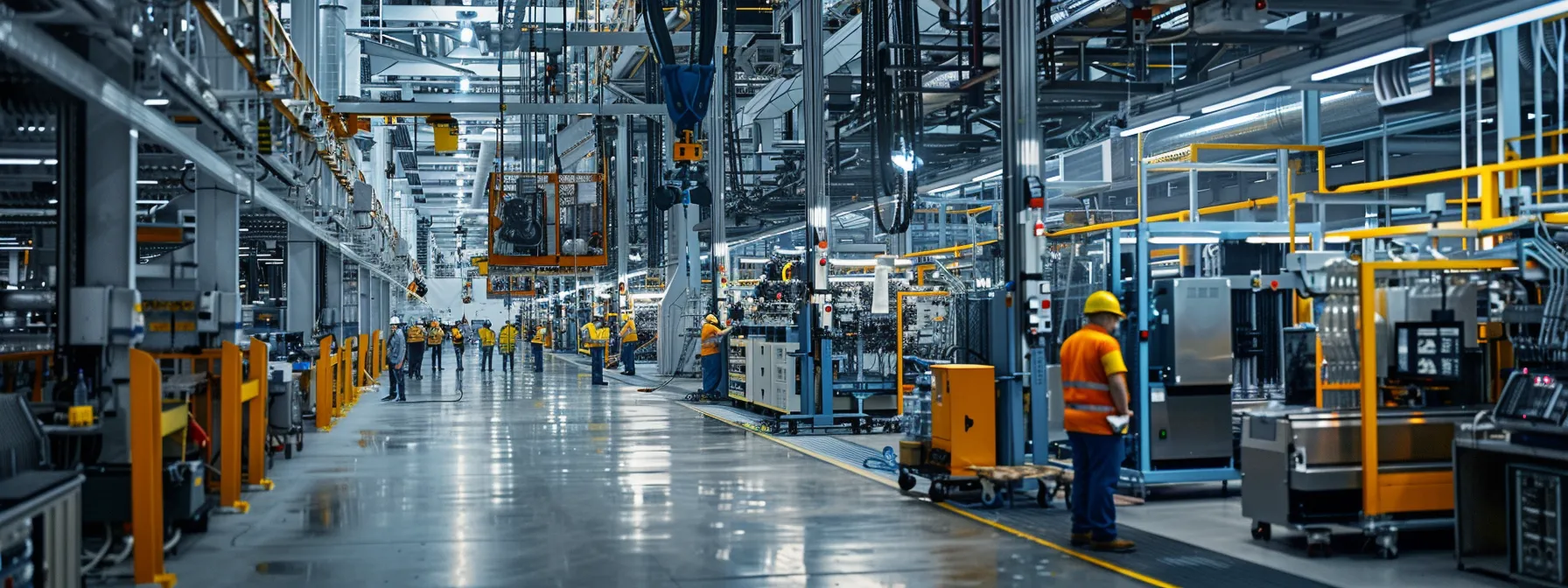
You’ll boost your industrial operations by upgrading systems for efficiency and productivity. This process involves more than just swapping out old machinery. From carpentry to renewable energy installations, you’ll need to identify opportunities for technological advances and oversee the installation of modern equipment.
Whether you’re dealing with rigging systems for heavy lifting or updating cement production lines, staying current with industry innovations is crucial. Don’t overlook the importance of upgrading iron-working machinery to enhance output and reduce energy consumption. By focusing on these upgrades, you’ll position your facility at the forefront of industrial efficiency.
Identifying Opportunities for Technological Advances
You’ll find numerous opportunities for technological advances in industrial maintenance. By implementing advanced software systems, you can streamline operations and improve efficiency across your facility. These digital tools help you monitor equipment performance, predict maintenance needs, and optimize resource allocation.
When upgrading your steel production lines, consider incorporating cutting-edge technologies like AI-driven quality control systems or automated material handling equipment. These innovations can significantly boost productivity and reduce waste. Similarly, in water treatment plants, new filtration technologies and smart monitoring systems can enhance operational efficiency and water quality.
While focusing on technological advances, it’s crucial to balance innovation with environmental considerations. For instance, the closure of the Vermont Yankee Nuclear Power Plant has sparked discussions about alternative energy sources. You might explore opportunities in renewable energy technologies, aligning your facility’s upgrades with broader industry trends towards sustainability.
Overseeing the Installation of Modern Machinery
You’ll find that overseeing the installation of modern machinery is a critical task that requires careful planning and execution. As you manage this process, you’ll need to balance your budget constraints with the need for cutting-edge equipment. Remember to prioritize safety throughout the installation, ensuring that all workers are properly trained and equipped to handle new machinery.
When upgrading your facility, consider the impact on your workforce. While new technology may increase efficiency, it could also lead to potential layoffs. To mitigate this, focus on retraining employees to work with the new equipment. For instance, if you’re installing a new high-capacity pump system, provide specialized training for your maintenance team to operate and maintain it effectively.
Coordinating the logistics of machinery installation can be complex, especially when dealing with large equipment. You may need to bring in specialized cranes or other heavy lifting equipment to position new machinery safely. Plan your installation schedule carefully to minimize disruptions to ongoing operations. Here’s a breakdown of key considerations when overseeing machinery installation:
| Consideration | Impact | Mitigation Strategy |
|---|---|---|
| Budget | Financial strain | Phased implementation |
| Safety | Potential accidents | Comprehensive training |
| Workforce | Potential layoffs | Retraining programs |
| Logistics | Operational disruptions | Careful scheduling |
Managing Emergency Repairs With Speed and Expertise
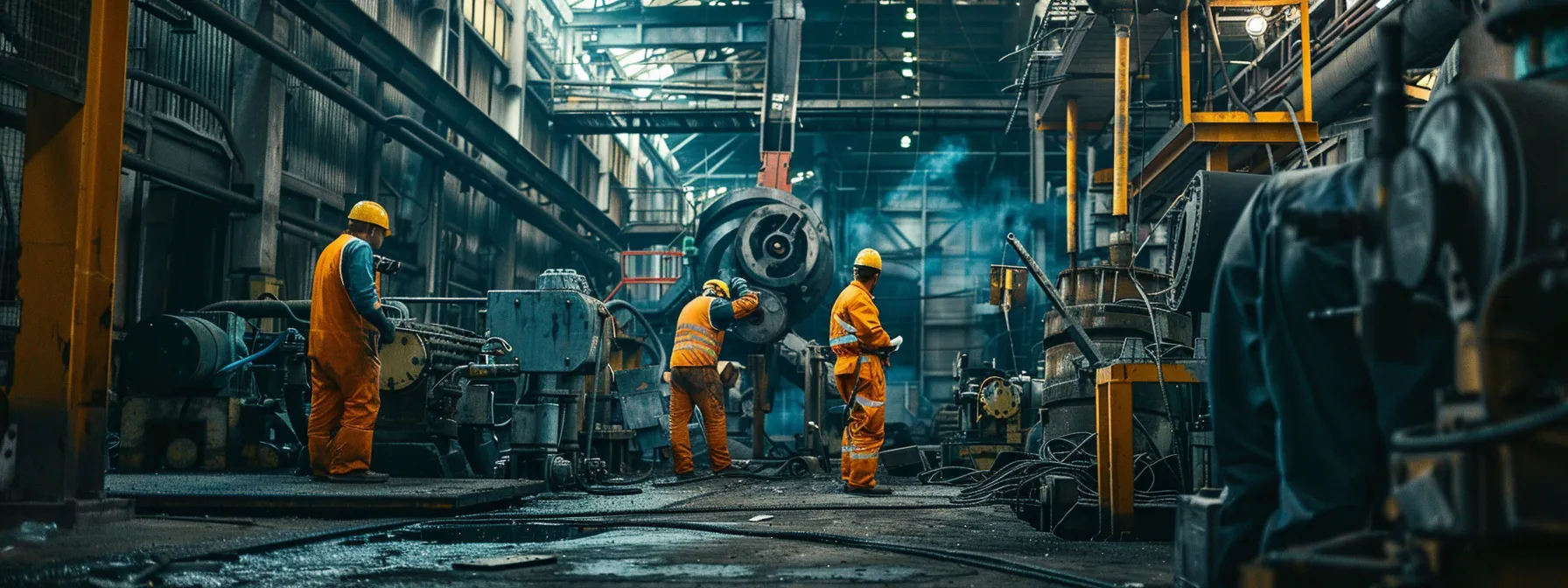
You’ll find that managing emergency repairs efficiently is crucial for maintaining smooth operations in your facility. Whether you’re dealing with general machinery breakdowns or specialized issues with sheet metal equipment, having a solid plan for rapid response is essential.
From California to Mississauga, industrial maintenance contractors play a vital role in minimizing downtime and getting your operations back on track. By deploying rapid response teams and utilizing advanced diagnostics, you can address critical breakdowns quickly and effectively. Don’t forget to maintain a comprehensive inventory of spare parts to support these emergency repair efforts, ensuring you’re always prepared for unexpected issues.
Deploying Rapid Response Teams for Critical Breakdowns
You’ll find that deploying rapid response teams for critical breakdowns is a crucial investment in your facility’s operational continuity. These teams, often comprised of skilled technicians and project managers, can quickly mobilize to address urgent issues in various industries, from construction to the automotive sector.
When faced with a critical breakdown in your light rail system, for example, you’ll appreciate the swift action of a well-prepared rapid response team. They’ll arrive on-site with the necessary tools and expertise to diagnose and resolve the problem, minimizing downtime and potential revenue loss.
To ensure your rapid response teams are always ready, you should provide ongoing training and maintain clear communication protocols. This preparation will pay off when unexpected issues arise, allowing you to tackle emergencies efficiently and keep your operations running smoothly.
Utilizing Advanced Diagnostics to Minimize Downtime
You’ll find that utilizing advanced diagnostics is crucial for minimizing downtime in your industrial operations. By employing cutting-edge tools and techniques, you can quickly identify issues with your electric generators and other critical equipment before they lead to costly breakdowns. This proactive approach allows you to schedule maintenance during planned downtimes, reducing the need for emergency repairs and keeping your insurance premiums in check.
As a general contractor in Brampton, you’ll appreciate the efficiency that advanced diagnostics bring to your projects. These tools enable you to pinpoint problems with precision, eliminating guesswork and reducing the time spent troubleshooting. You can even use remote diagnostics to assess equipment performance without sending a technician on-site, saving time and resources.
Remember to keep your diagnostic equipment up-to-date and your team well-trained in its use. While you might still need to rely on fax for some communications, embracing digital diagnostic tools will give you a competitive edge in managing emergency repairs and maintaining smooth operations.
Training Staff on Equipment Use and Maintenance Practices
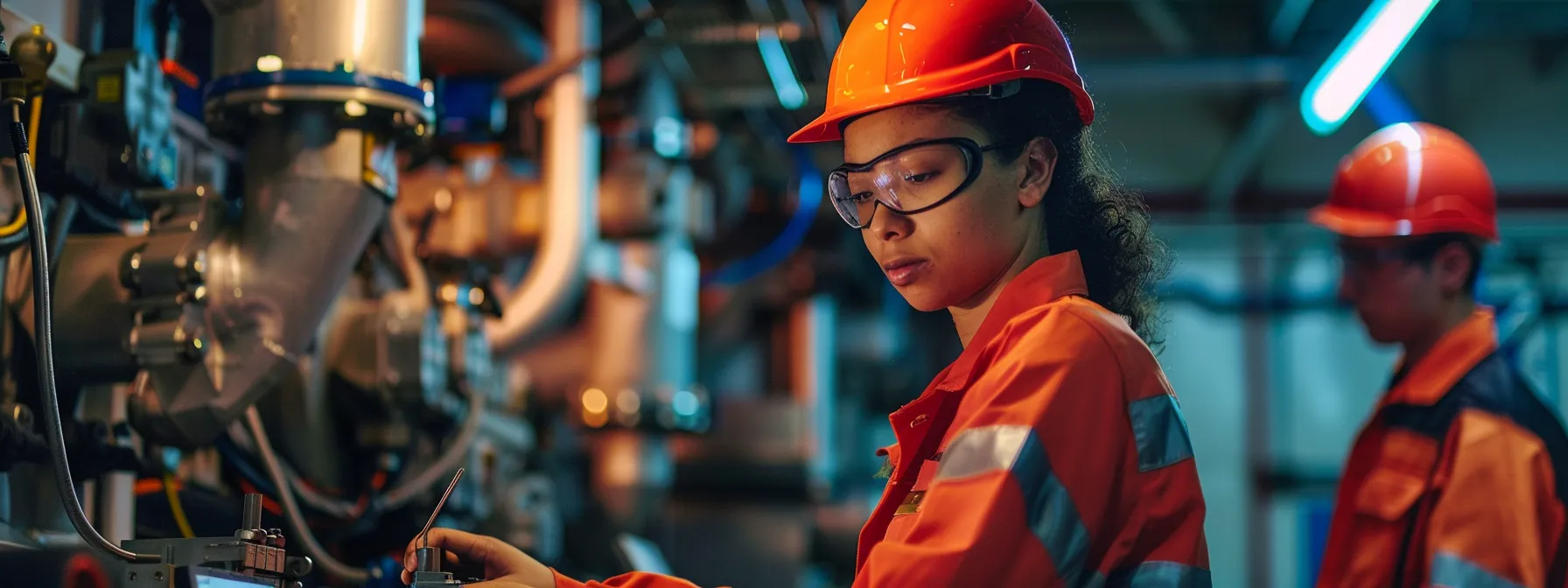
You’ll find that training your staff on proper equipment use and maintenance practices is crucial for keeping your industrial operations running smoothly. Whether you’re in Canada or the United States, ensuring your team knows how to safely operate machinery and perform routine maintenance can help you skip costly breakdowns and reduce pollution from inefficient fuel consumption.
By leading workshops on safe machinery operation and developing customized maintenance SOPs, you’ll equip your staff with the knowledge they need to keep your facility running at peak performance. This approach not only boosts productivity but also helps maintain a safer work environment for everyone involved.
Leading Workshops on Safe Machinery Operation
You’ll find that leading workshops on safe machinery operation is crucial for maintaining a productive and secure workplace. In Ontario, these workshops can help you reduce the risk of accidents and costly plant shutdowns. By investing in comprehensive training, you’ll see long-term benefits in both safety and operational efficiency.
When planning your workshops, focus on hands-on experiences that simulate real-world scenarios. This approach will help your staff better retain the information and apply it in their daily tasks. Remember to tailor the content to your specific equipment and industry challenges, ensuring that the training is relevant and valuable to your team.
As an industrial maintenance contractor, you can offer these workshops as part of a turnkey solution for your customers. This added service not only improves safety but also strengthens your relationship with clients. Here’s a breakdown of key elements to include in your safe machinery operation workshops:
| Workshop Component | Duration | Key Benefits |
|---|---|---|
| Equipment Overview | 1 hour | Familiarization with machinery |
| Safety Protocols | 2 hours | Accident prevention |
| Hands-on Practice | 3 hours | Practical skill development |
| Troubleshooting Basics | 1 hour | Quick problem resolution |
Developing Customized Maintenance SOPs for Teams
You’ll find that developing customized maintenance SOPs (Standard Operating Procedures) for your teams is crucial in minimizing downtime and preventing equipment failure. These tailored procedures ensure that your staff knows exactly how to maintain and troubleshoot complex machinery, such as steam turbines or nuclear fuel handling systems. By creating clear, step-by-step instructions, you’ll empower your teams to perform maintenance tasks efficiently and safely.
When crafting your SOPs, consider the specific needs of each team and the equipment they work with. For example, the maintenance procedures for a steam turbine will differ significantly from those for handling nuclear fuel. You’ll want to involve experienced team members in the development process, as their insights can be invaluable in creating practical and effective SOPs.
Don’t forget to make your SOPs easily accessible to your teams. Consider hosting them on your company’s website or intranet, ensuring that staff can quickly reference them when needed. Regularly review and update these procedures to reflect any changes in equipment or best practices, keeping your maintenance strategies current and effective.
Implementating Sustainable Practices in Industrial Settings

You’ll find that implementing sustainable practices in industrial settings is becoming increasingly important for industrial maintenance contractors. Your experience in mining and millwright work can be valuable in developing eco-friendly solutions that reduce waste and energy consumption. By focusing on sustainability, you’ll not only help protect the environment but also potentially increase your employment opportunities as more companies prioritize green initiatives.
As you work with complex systems like those handling spent nuclear fuel, you’ll need to consider how to minimize environmental impact while maintaining safety standards. Your expertise in these areas can lead to innovative approaches that balance sustainability with operational efficiency. Remember, even small changes in maintenance procedures can have significant long-term effects on a facility’s environmental footprint.
You should stay updated on the latest sustainable technologies and practices relevant to your field. This ongoing learning will enhance your value as an industrial maintenance contractor and help you implement cutting-edge solutions for your clients. Consider attending workshops or obtaining certifications in sustainable industrial practices to boost your credentials.
When working on projects, look for opportunities to suggest sustainable alternatives to traditional methods or materials. Your insights could lead to substantial improvements in a facility’s environmental performance. Be prepared to explain the benefits of these sustainable practices to clients, focusing on both environmental impact and potential cost savings:
| Sustainable Practice | Environmental Benefit | Potential Cost Savings |
|---|---|---|
| Energy-efficient equipment upgrades | Reduced carbon emissions | Lower energy bills |
| Waste reduction strategies | Less landfill impact | Decreased disposal costs |
| Water conservation measures | Preserved water resources | Reduced water utility expenses |
| Sustainable material sourcing | Minimized ecological footprint | Improved supply chain resilience |
By integrating sustainable practices into your work as an industrial maintenance contractor, you’ll contribute to a more environmentally responsible industry while potentially opening up new career opportunities. Your efforts in this area can make a real difference in reducing the environmental impact of industrial operations across various sectors.
Conclusion
Industrial maintenance contractors like Grace Industrial Contracting in Ontario Canada play a vital role in keeping facilities running smoothly and efficiently. They ensure optimal equipment performance through regular inspections, preventive maintenance, and rapid response to critical breakdowns. These professionals also prioritize workplace safety, implement technological upgrades, and train staff on proper equipment use and maintenance practices. By embracing sustainable practices and staying current with industry innovations, industrial maintenance contractors contribute significantly to the long-term success and environmental responsibility of industrial operations.