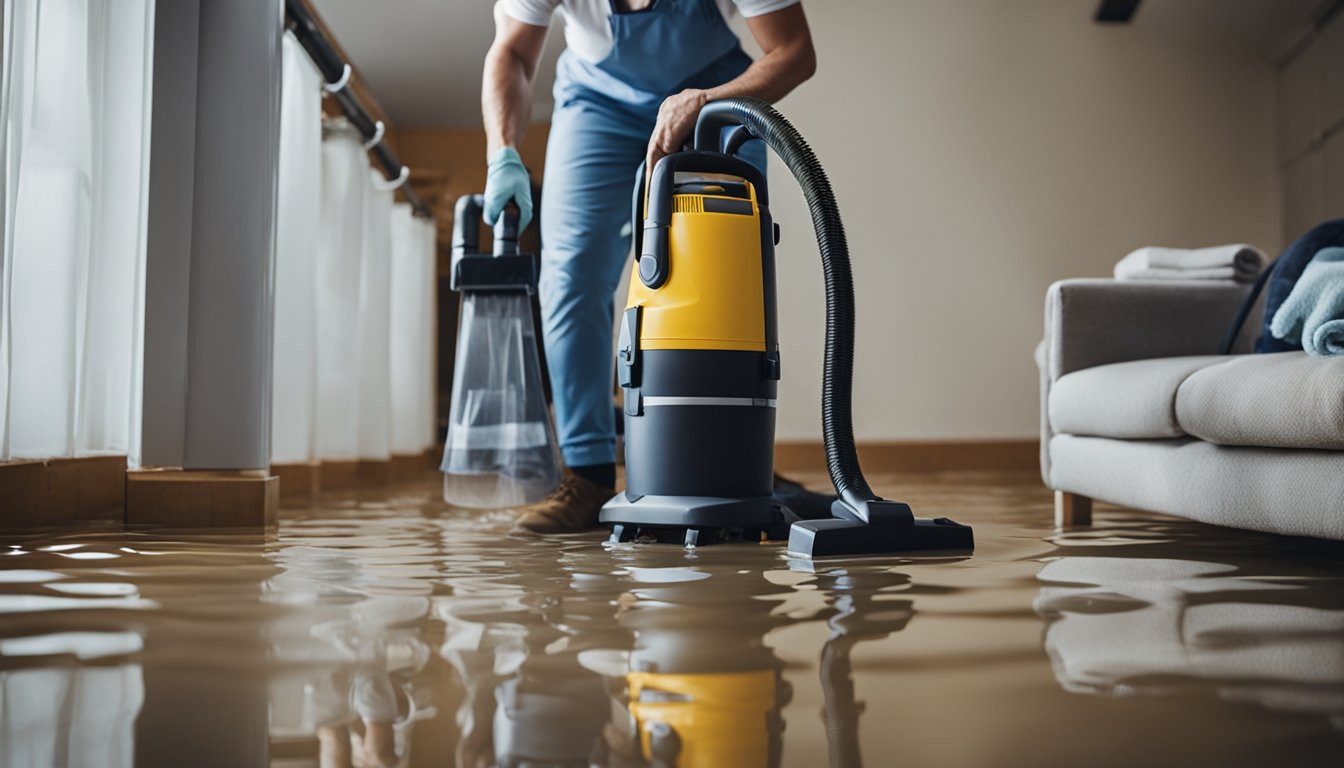
The Three Things to Do After Finding Water in Your Basement:
Quick Steps to Safeguard Your Home
Finding water in your basement can be a scary experience. It’s not just about the mess – water can cause serious damage to your home if not dealt with quickly. I’ve been there, and I know how stressful it can be.
The good news is that there are steps you can take right away to minimize the damage and start the cleanup process. In this article, I’ll share three key things you should do when you discover water in your basement. These tips can help you protect your home and belongings from further harm. Let’s dive in and learn how to tackle this wet situation head-on!
1) Contact a Professional Plumber
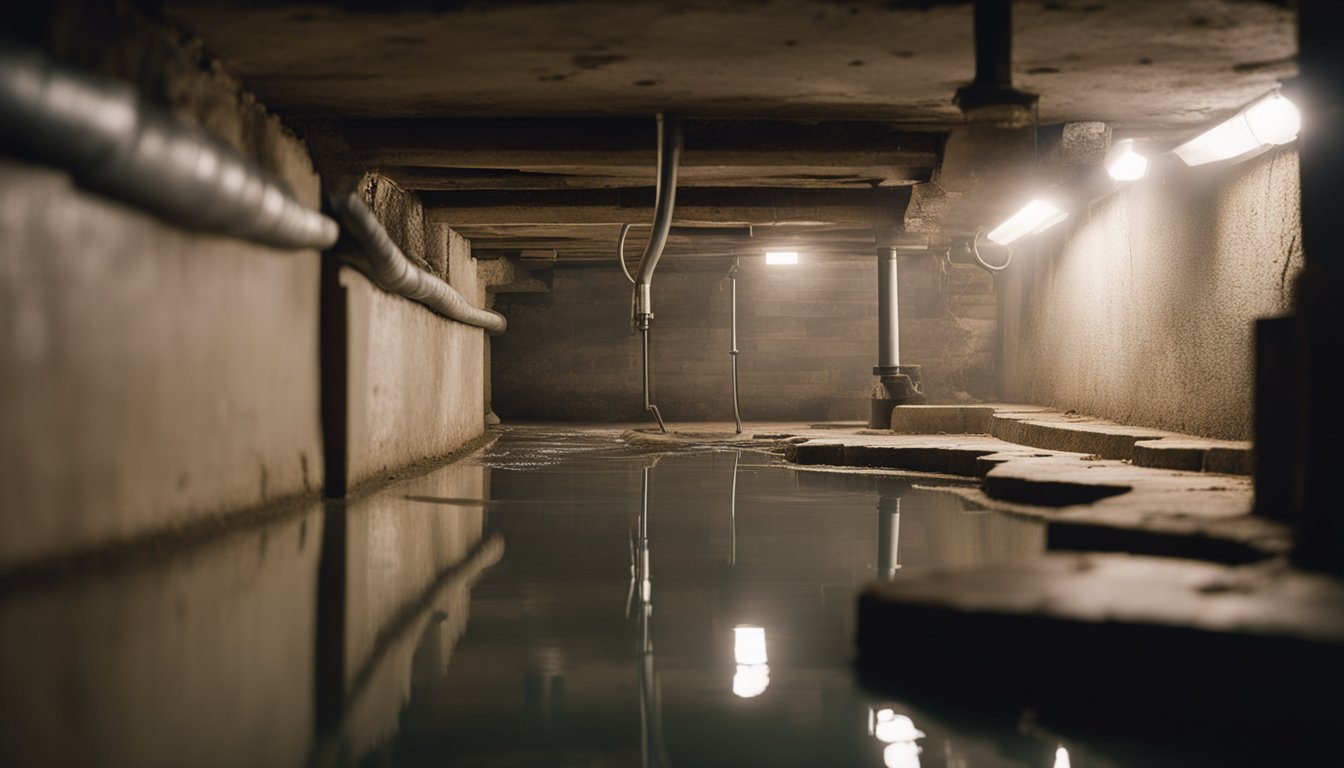
Finding water in your basement can be scary. I know how stressful it is to see puddles or flooding where it shouldn’t be. The first thing I always recommend is to call a professional plumber right away.
Plumbers have the tools and know-how to figure out where the water is coming from. They can spot issues that I might miss, like hidden leaks or cracks in pipes.
I’ve learned that standing water in the basement could be from a plumbing leak or foundation cracks. Either way, it’s important to act fast. A small problem can quickly become a big, expensive mess.
When I call a plumber, I make sure to describe what I’m seeing. How much water is there? Is it clear or dirty? This helps them know what to expect.
I also ask about their availability. Some plumbers offer emergency services, which can be a lifesaver if the flooding is bad.
Remember, it’s not just about fixing the immediate problem. A good plumber can help prevent future issues too. They might suggest ways to waterproof your basement or improve drainage around your home.
Don’t wait to make the call. The sooner a professional can take a look, the better chance you have of minimizing damage and costs.
2) Dry Out the Area Quickly
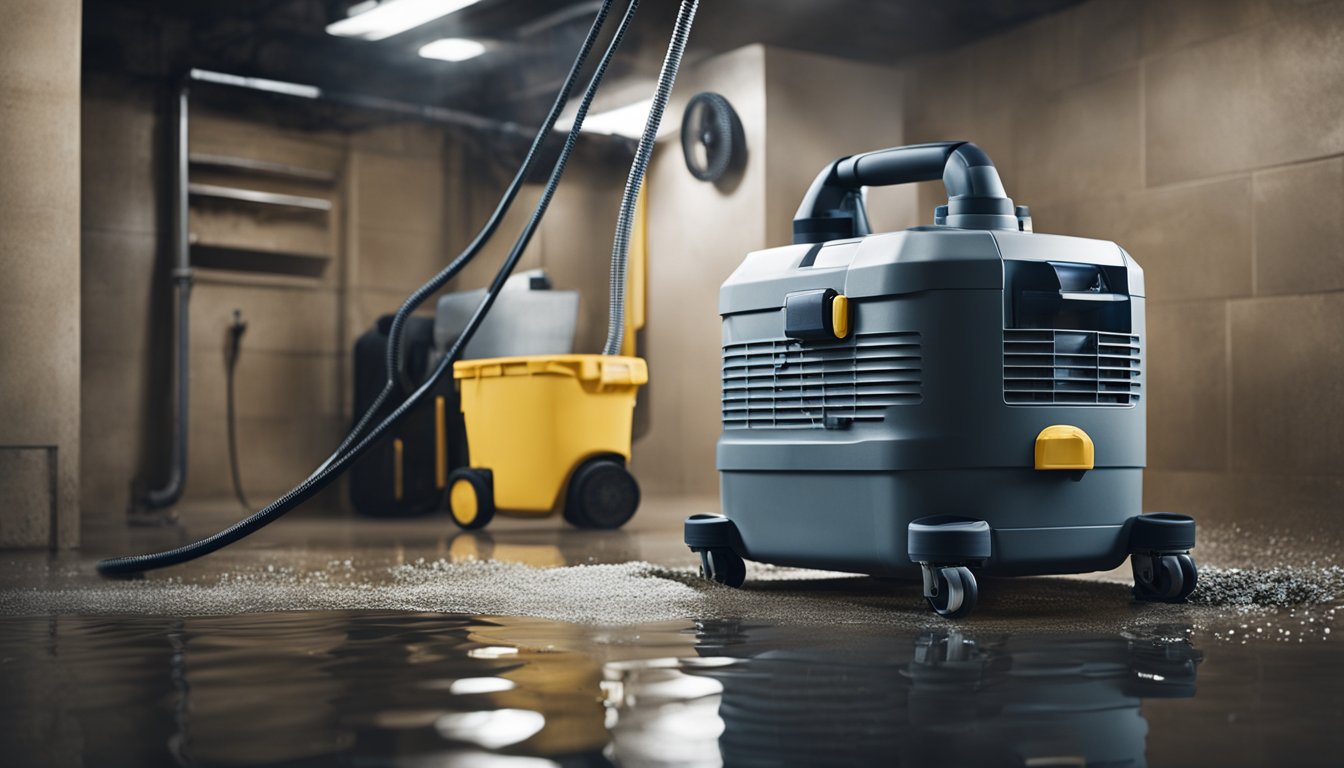
After removing standing water, it’s time to dry out the basement fast. I recommend using fans to circulate air. Place them strategically around the room to create good airflow.
Opening windows can help too, if the weather allows. Fresh air speeds up drying and reduces musty smells.
A dehumidifier is a great tool for this job. It pulls moisture from the air, helping everything dry faster. I suggest running it constantly for 48 hours to really tackle the dampness.
Don’t forget about hidden moisture. I always check behind baseboards and inside walls. Sometimes water sneaks into these spots.
Carpets and furniture need special attention. If possible, I take them outside to dry in the sun. For items that can’t be moved, I use a wet vacuum to extract as much water as I can.
Time is crucial when drying out a basement. The faster you act, the less damage you’ll have. Mold can start growing in just 24-48 hours, so I work quickly.
I also keep an eye on the temperature. Warmer air holds more moisture, so I try to keep the area cool while drying. This helps prevent humidity from building up again.
Remember, thorough drying is key to preventing future problems. I make sure to address every damp spot, no matter how small it seems.
3) Inspect for Potential Mold Growth
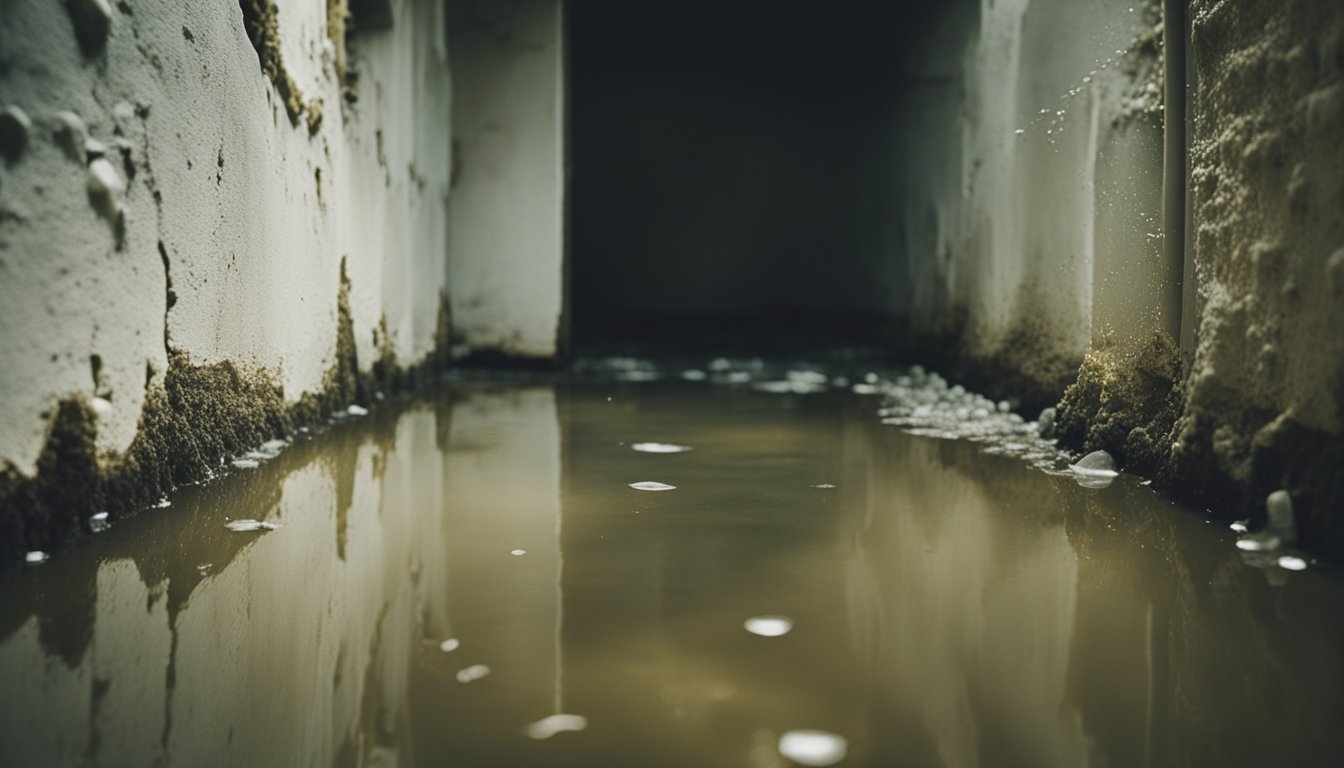
After finding water in your basement, it’s important to check for mold. Mold can start growing quickly after water damage. I recommend looking closely at damp areas.
Mold often grows within 24 to 48 hours after water exposure. It’s crucial to act fast. I suggest using a flashlight to examine dark corners and hidden spots.
Look for discoloration on walls, floors, and ceilings. Mold can be black, green, or even white. I also advise checking for a musty smell, which can be a sign of mold growth.
Don’t forget to inspect furniture, carpets, and stored items. Mold can grow on many surfaces. If you see or smell mold, it’s best to call a professional for help.
Using a hygrometer can be helpful. This tool measures humidity levels. I recommend keeping humidity below 55% to prevent mold growth.
If you’re unsure, consider using a mold testing kit. These kits can help detect mold spores in the air. However, they’re not always 100% accurate.
Remember, mold can be harmful to your health. If you find any, it’s important to address it quickly and safely. Always prioritize your safety when dealing with potential mold issues.
Understanding the Cause of Basement Water Issues
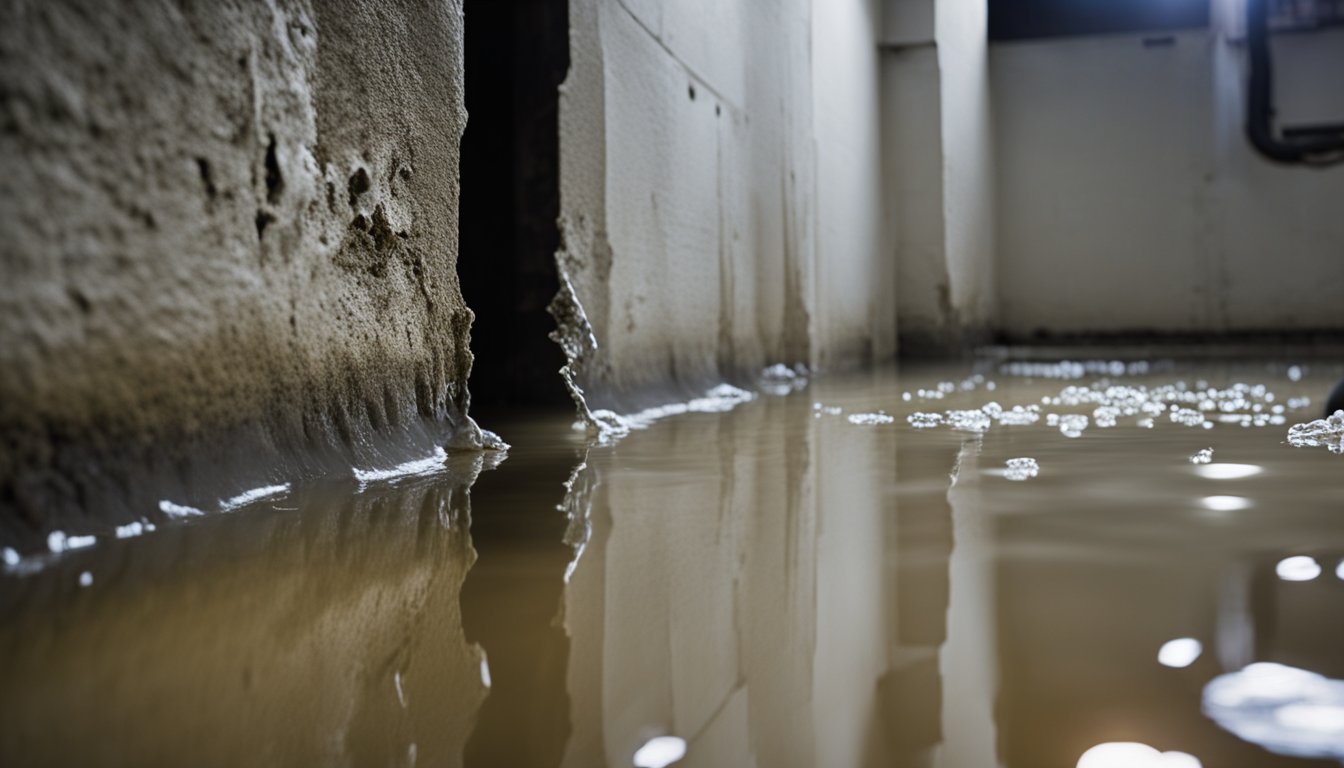
Water in your basement can come from many places. Finding the source is key to fixing the problem. Let’s look at why basements flood and how water gets in.
Common Reasons for Basement Flooding
Heavy rain is a top cause of wet basements. When it pours, water can seep through cracks or overflow gutters. Poor drainage around your home is another culprit. If the ground slopes towards your house, water will flow right to your foundation.
Plumbing issues can also lead to flooding. A burst pipe or backed-up sewer line can quickly fill your basement with water. Don’t forget about your sump pump! If it fails during a storm, you might end up with a flood.
Clogged gutters are more trouble than you might think. When they’re full, water spills over and pools around your foundation. This can lead to cracks and leaks over time.
How Water Enters Your Basement
Water is sneaky and can find many ways into your basement. Cracks in your foundation are like open doors for moisture. Even tiny hairline cracks can let water seep through over time.
Windows are another weak spot. Old or poorly sealed window wells can let water pour in during heavy rain. Hydrostatic pressure is a big problem too. This happens when the soil around your home gets waterlogged and pushes against your foundation walls.
Believe it or not, water can even come up through your floor! If the water table rises, it can push moisture through your concrete slab. This is why you might see damp spots or puddles in the middle of your basement floor.
I’ve seen basements flood from the strangest places. Once, I found water coming in through an old cable line hole! It’s important to check every nook and cranny when you’re dealing with basement water issues.
Immediate Steps to Mitigate Damage
When I find water in my basement, I need to act fast. Quick action can save me time, money, and headaches. Here are the key steps I take to limit the damage.
Removing Water Safely
First, I turn off the power to my basement. This keeps me safe from electrical hazards. I wear rubber boots and gloves to protect myself.
For small amounts of water, I use a wet vacuum or mop. If there’s more than an inch, I rent a pump. I make sure to follow the instructions carefully.
I remove all wet items from the area. This includes furniture, rugs, and boxes. I put them in a dry place to air out.
As I work, I keep an eye out for mold growth. If I spot any, I don’t touch it. I’ll need a pro to handle that safely.
Drying Out Your Basement
Once the standing water is gone, I focus on drying. I open all windows and doors if the weather allows. This helps air flow through the space.
I set up fans to blow air across the wet areas. If I have a dehumidifier, I use it to pull moisture from the air. I empty it often so it keeps working well.
I pull up any wet carpet and padding. These can trap moisture and lead to more problems. I prop them up to dry or take them outside.
For walls and floors, I use towels to soak up as much water as I can. Then I wipe down surfaces with a disinfectant to prevent mold.
I keep drying for at least 48 hours. Even if things look dry, hidden moisture can cause issues later.