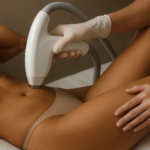
Basics of Laser Hair Removal
What is important to know:
Laser hair removal offers a long-term solution to unwanted hair. Understanding how it works helps set realistic expectations. It is important to know which skin and hair types respond best to this treatment.
How laser hair removal works
The procedure uses concentrated light beams to target hair follicles. The laser emits energy absorbed by the pigment in the hair. This energy damages the follicle, reducing future hair growth.
A common challenge is treating hair in its growth phase. Only hairs in this phase respond effectively, so multiple sessions are necessary. Incorrect laser settings can cause skin irritation or ineffective results.
Types of lasers used for hair removal
Different lasers are designed for various skin tones and hair colours. Alexandrite lasers work well on light to olive skin. Nd:YAG lasers are safer for darker skin tones but may require more sessions. Diode lasers offer a balance, suitable for a range of skin types.
Choosing the wrong laser can lead to burns or poor hair reduction. Experienced technicians adjust settings based on individual skin and hair characteristics to minimize risks.
Hair and skin types suitable for laser treatment
Laser hair removal is most effective on dark, coarse hair and lighter skin. The contrast allows the laser to target pigment in hair without affecting skin. Light or gray hair lacks pigment, making treatment less effective.
People with darker skin tones need lasers with longer wavelengths to avoid skin damage. Some skin types may experience temporary discoloration or irritation if not properly treated.
Difference between laser hair removal and other hair removal methods
For a detailed overview, the laser hair removal guide explains these differences clearly.
Unlike shaving or waxing, laser hair removal targets the root, offering longer-lasting results. Shaving only cuts hair at the surface, requiring frequent maintenance. Waxing removes hair from the root but can be painful and cause ingrown hairs.
Laser treatment reduces hair growth over time but does not guarantee permanent removal. Maintenance sessions may be needed. Incorrect technique with other methods can cause skin damage or infection.
Common myths about laser hair removal
One myth is that laser hair removal is painful. Most patients describe mild discomfort similar to a rubber band snap. Another misconception is that it works equally well on all hair colors. In reality, it is less effective on light or red hair.
The laser hair removal document addresses these myths and provides scientific explanations.
Some believe laser hair removal causes cancer, but there is no scientific evidence supporting this. Misunderstanding the need for multiple sessions leads to disappointment when results are not immediate.
Final considerations
Choosing a qualified professional is crucial for safe and effective treatment. Proper assessment of hair and skin type guides the laser selection and settings. Understanding the process helps avoid unrealistic expectations and ensures better satisfaction with results.

Preparation and Aftercare
Why it matters
Proper preparation and aftercare are crucial for successful laser hair removal. They help reduce side effects and improve treatment outcomes. Understanding what to expect can ease anxiety and ensure the skin heals well.
Pre-treatment guidelines for laser hair removal
Preparing your skin before a laser hair removal session affects the treatment’s effectiveness and safety. Avoid sun exposure for at least two weeks prior to your appointment. Tanned skin increases the risk of burns and pigment changes.
Shave the treatment area 24 to 48 hours before the session to allow the laser to target hair follicles beneath the skin. Do not wax, pluck, or use depilatory creams for at least four weeks before treatment. These methods remove the hair root, which the laser needs to target.
Also, avoid applying lotions, deodorants, or makeup on the day of the procedure. These products can interfere with the laser’s effectiveness or cause irritation.
What to expect during a laser hair removal session
During the session, a technician will use a handheld laser device to treat the targeted area. The procedure usually takes between 15 minutes and an hour, depending on the size of the area.
You may feel a mild stinging or snapping sensation as the laser pulses. Some devices have cooling mechanisms to reduce discomfort. It is common to experience slight redness or swelling immediately after treatment, which typically subsides within a few hours.
A common mistake is underestimating the importance of proper eye protection. Both patient and technician should wear protective goggles to prevent eye damage from the laser light.
Post-treatment care and recovery tips
After the session, keep the treated area clean and avoid sun exposure for at least a week. Use a gentle moisturizer to soothe the skin and reduce dryness. Avoid hot baths, saunas, and vigorous exercise for 24 to 48 hours to prevent irritation.
Applying cold compresses can help reduce swelling and discomfort. Avoid picking or scratching the treated area to prevent infection and scarring.
Managing side effects and skin reactions
Mild redness, swelling, and tenderness are normal and usually resolve quickly. In rare cases, blistering, crusting, or changes in skin pigmentation can occur. If these happen, contact your provider immediately.
Using over-the-counter hydrocortisone cream can reduce inflammation, but only under professional guidance. Avoid sun exposure until the skin has fully healed to prevent lasting pigment changes.
Frequency and number of sessions required
Laser hair removal requires multiple sessions for optimal results. Hair grows in cycles, and the laser only affects follicles in the active growth phase. Typically, 6 to 8 sessions spaced 4 to 6 weeks apart are necessary.
Skipping sessions or extending intervals too long can reduce effectiveness. Maintenance treatments may be needed once or twice a year to manage new hair growth.
Choosing a provider who customizes the treatment plan based on your hair type and skin tone helps avoid common pitfalls like under-treatment or excessive sessions.